
Heating and Cooling Guides for Canadian Homes

These guides explain how home heating, cooling and hot water systems work in Canada, how they compare and what they cost to run, without selling you any of them. A forced-air furnace is the main heating system in 46% of Canadian households, according to Statistics Canada’s 2023 survey. Which system suits your home comes down to your climate, what energy costs where you live and what’s already installed.

Researched and edited by Gabriel Reyes. Last reviewed: October 2026.

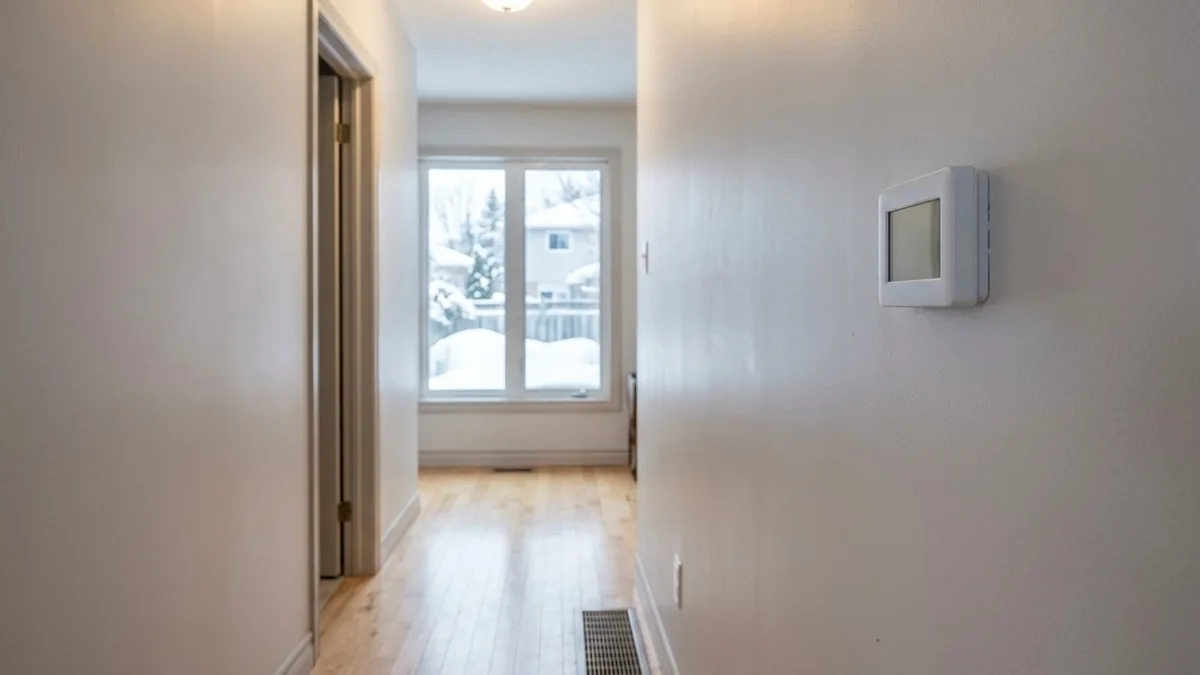
Wall thermostat and floor heat register in a hallway of a Canadian home in winter

The main heating and cooling systems in Canadian homes

Most Canadian homes run on one or two of these:

System What it does Energy source
Forced-air furnace Heats air and pushes it through ducts Natural gas, propane, oil or electricity
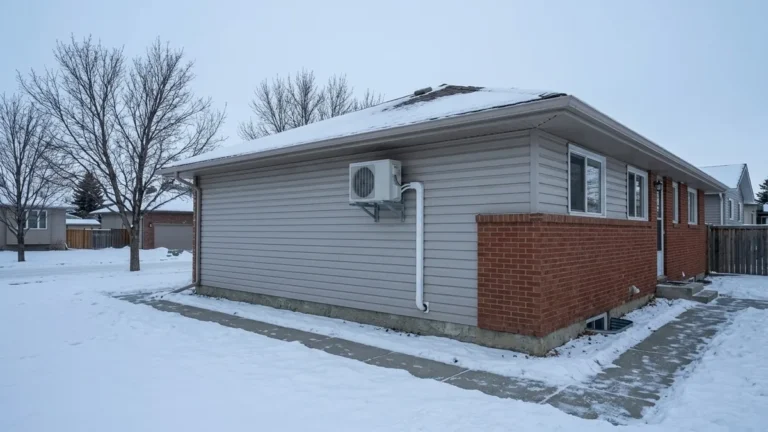
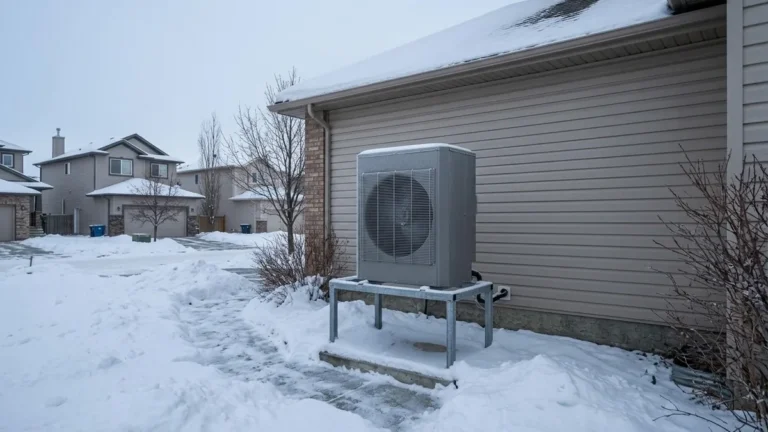
Air-source heat pump Heats in winter and cools in summer by moving heat between indoors and outdoors; ducted or ductless (mini split) Electricity
Geothermal heat pump Moves heat to and from the ground through buried loops Electricity
Central air conditioner Cools air and sends it through the same ducts as a furnace Electricity
Boiler Heats water for radiators or in-floor heating Natural gas, oil or electricity
Electric baseboard heaters Heat each room directly, with no ducts Electricity
Hot water tank or tankless water heater Heats water for taps, showers and appliances Natural gas, propane or electricity

In 2023, 23% of Canadian households relied mainly on electric baseboards, 8% on a heat pump and 7% on a boiler (Statistics Canada, table 38-10-0286-01).

Systems are often paired. A gas furnace and a central air conditioner usually share the same ductwork and the same indoor fan, which is why adding central air is simpler in a home that already has a furnace than in one heated by baseboards or a boiler. A dual-fuel setup pairs a heat pump with a furnace: the heat pump handles milder weather, and the furnace takes over when it gets very cold. For the full cost comparison, see our guide to heat pump vs furnace.

For prices by province, see our guides to central air conditioner cost, hot water tank replacement cost and furnace maintenance cost.

Why your climate changes the answer

Your climate changes which system makes sense, and Canada’s climates sit far apart. Degree-days are the standard way to compare them.

  • Heating degree-days add up how far, and for how many days, the daily mean temperature falls below 18 °C. The higher the number, the more heating a home needs.
  • Cooling degree-days do the same for days above 18 °C. The higher the number, the more an air conditioner runs.
City Heating degree-days Cooling degree-days
Vancouver 2,781 61
Toronto 3,751 348
Ottawa 4,434 277
Halifax 4,189 131
Calgary 4,994 44
Winnipeg 5,672 183
Edmonton 5,697 29

Source: Environment and Climate Change Canada, Canadian Climate Normals 1991–2020, airport stations. The Halifax figures come from a station with less complete records than the others.

Bar chart of heating and cooling degree-days in seven Canadian cities, from Vancouver to Edmonton

Edmonton needs roughly twice the heating of Vancouver, and Toronto has about eight times Calgary’s cooling demand. In every city on the list, heating degree-days outnumber cooling degree-days, by about 11 to 1 in Toronto and close to 200 to 1 in Edmonton. That’s why the efficiency of your heating shows up on your bills far more than the efficiency of your air conditioner, and why the same equipment can suit one city and waste money in another.

Efficiency ratings, explained

Quotes and equipment labels use a few efficiency ratings. Each one measures something different, so they can’t be compared with each other.

AFUE (furnaces and boilers)

Annual Fuel Utilization Efficiency is the share of the fuel a furnace or boiler turns into heat for your home over a typical year. A 96% AFUE furnace turns about 96% of the fuel it burns over a season into heat. In Canada, residential gas furnaces made since July 3, 2019 must reach at least 95% AFUE, with lower limits for a few special types, such as outdoor units with built-in cooling (Natural Resources Canada, checked October 2026).

SEER2 (air conditioners and heat pumps in cooling mode)

The Seasonal Energy Efficiency Ratio 2 measures how much cooling a system delivers for each unit of electricity over a cooling season. Higher is better. Since January 1, 2023, a new single-phase split central air conditioner sold in Canada must reach at least SEER2 13.4 (Natural Resources Canada, checked October 2026).

HSPF2 (heat pumps in heating mode)

The Heating Seasonal Performance Factor 2 measures how much heat a heat pump delivers for each unit of electricity over a heating season. Higher is better. The rating comes from standard test conditions, so for a Canadian winter, also ask how much heat the model still delivers at low outdoor temperatures. Cold-climate models publish those figures.

UEF (water heaters)

The Uniform Energy Factor measures how efficiently a water heater turns energy into hot water under a standard daily-use test. Use it to compare one water heater with another, never with a furnace’s AFUE.

ENERGY STAR and the NRCan list

ENERGY STAR certified equipment meets efficiency levels above the legal minimum. Natural Resources Canada keeps a searchable list of certified heating equipment where you can check a model number from a quote.

Older equipment and some quotes still use the earlier ratings, SEER and HSPF without the “2”. The newer tests are tougher, so the same unit gets a lower SEER2 or HSPF2 number than its old rating. Make sure you’re comparing like with like.

How to read a heating or cooling quote

Two quotes for the “same” job can describe very different work. A complete quote should tell you:

  • The exact equipment: brand and model number for every part, including the indoor coil when you’re replacing an air conditioner.
  • The size and how it was worked out: capacity in BTU or tons, and whether the installer did a heat-loss and heat-gain calculation. The Canadian standard for that calculation is CSA F280. An installer who sizes equipment only by square footage, or by matching your old unit, may be guessing.
  • The certified efficiency: AFUE, SEER2 or HSPF2, as listed for that model.
  • What’s included: removal of the old equipment, electrical work, permits, a thermostat, and any changes to ductwork or venting.
  • Sales tax: whether GST, HST or PST is in the total.
  • The warranty: parts and labour coverage, how long each lasts, and who registers the manufacturer’s warranty.

Then line the quotes up item by item before you look at the totals. If one is much higher or lower than the others, ask what it includes that the others don’t, or what it leaves out. Our price ranges show what installers charge across the market; your quote shows what your home needs. Our page on how we research our price ranges explains how to use the two together.

Frequently asked questions

Can you still buy an 80% efficiency furnace in Canada?

Not as a standard indoor gas furnace. Canada’s efficiency rules require residential gas furnaces manufactured since July 3, 2019 to reach at least 95% AFUE (Natural Resources Canada). A few special types have lower limits, such as outdoor units with built-in cooling (78%). If you’re replacing an 80% furnace, ask your installer whether the venting needs to change for the new one.

What is the difference between SEER and SEER2?

SEER2 is the newer efficiency rating for air conditioners and heat pumps, and Canada’s minimum standards have used it since January 1, 2023. Its test conditions are tougher, so the same unit gets a lower SEER2 number than its old SEER rating. When you compare quotes, check that both use the same scale. A new split central air conditioner must reach at least SEER2 13.4.

In this section